
SZA Didn't Just Make Music — She Made a Brand: How Solána Rowe Became Vans' First Artistic Director and a Beauty Founder

Marcus Webb
August 5, 2026 · 8 min read
SZA took five years between albums, watched the world question her, then came back with the longest-running No. 1 R&B album in history and a business portfolio that includes a multi-year Vans deal and her own beauty brand. The quiet part of the SZA story is that the business moves were always the plan.
The five-year gap was never a pause. It was a setup.
Solána Imani Rowe — born November 8, 1989, in Maplewood, New Jersey; raised between the St. Louis suburbs and the spiritual density of a Muslim household — spent years building one of the most authentic brands in contemporary R&B without a traditional blueprint. No management playbook told her to disappear. No label strategy told her to sit on "SOS" until it was perfect. She moved on her own timeline, in her own direction, and the result was an album that spent 10 weeks at No. 1 on the Billboard 200 and established SZA as one of the most culturally embedded artists of her generation.
But the album is only the surface. Underneath it, a business empire has been quietly assembling itself.
The Vans Deal: Creative Direction as Cultural Capital
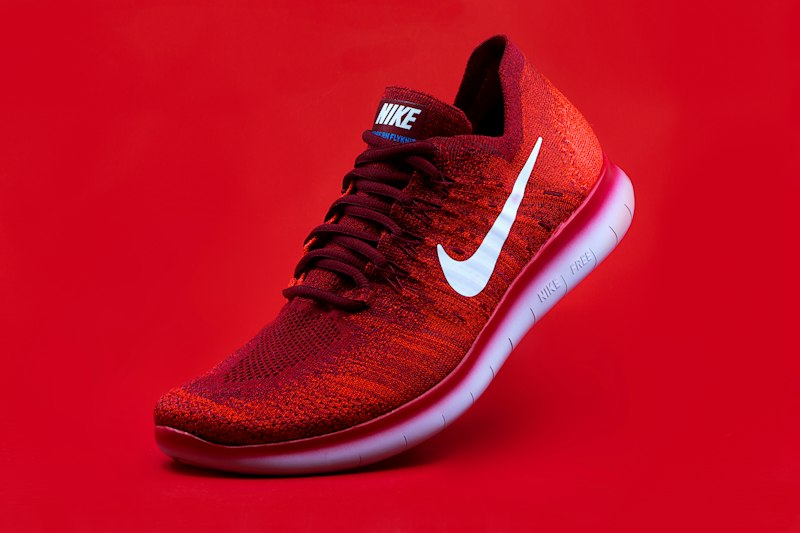
In August 2025, Vans announced something it had never done before in its 59-year history: it named an artistic director. That person was SZA.
The multi-year partnership is not a celebrity endorsement. It's not a shoe collection with her name on the toe box. It's a structural creative role — SZA is embedded in the brand's campaign development, product co-creation, and long-term aesthetic direction. The difference between an endorsement and an artistic director position is the difference between renting space and owning equity.
Vans' choice of SZA is a calculated cultural alignment. Vans built its identity on skateboarding — a subculture that has always existed at the intersection of outsider art, urban culture, and authentic self-expression. SZA's brand occupies the same intersection in music. She is not a pop star performing authenticity. She is authenticity operating in the pop space. That distinction is what made her the right fit for a brand that lives and dies by credibility.
For SZA, the move extends her brand far beyond the music industry's revenue ceiling. A multi-year creative partnership with a global footwear and apparel brand generates licensing fees, royalties on co-created products, and the kind of global brand exposure that a touring artist can't manufacture. Vans operates in 170+ countries. That is SZA's brand in 170+ countries.
NOT BEAUTY: The Brand She Built for Herself
While the Vans deal expanded her reach, SZA's most personal business move is NOT BEAUTY — her own beauty and skincare brand.
SZA has talked openly about her relationship with her appearance, the pressure of the entertainment industry's beauty standards, and the desire to build something that reflected her actual values rather than the industry's. NOT BEAUTY is the answer to that pressure. It is a brand built on the premise that beauty should not require performance, perfection, or conformity.
The brand launched with targeted product releases and quickly built a community of loyal early adopters who identified with SZA's ethos. Her Instagram, with 23 million followers, serves as the primary distribution channel — each post about NOT BEAUTY reaches an audience that is already emotionally invested in her story.
Celebrity beauty brands have been one of the most reliable wealth-creation vehicles of the last decade. Rihanna built Fenty Beauty into a $3 billion enterprise. Kylie Jenner turned a lip kit into a reported $600M acquisition. The model is proven: an authentic connection to an audience, a product that reflects genuine values, and the distribution power of social media. SZA has all three.
The TDE Legacy and What Independent Looks Like Next
SZA built her career at Top Dawg Entertainment — the Compton-based label that also houses Kendrick Lamar, ScHoolboy Q, and Jay Rock. TDE is one of the most respected creative environments in hip-hop, and SZA's development there gave her the artistic foundation that everything else is built on.
But the brand moves — Vans, NOT BEAUTY, the fashion collaborations, the Met Gala appearances in custom Bode — those are SZA-owned, SZA-driven. She has built a public persona that is distinct from her label, which means she enters any future negotiation with leverage that most artists never accumulate.
Her net worth is estimated at $15 million in 2026 and growing. But the more important number is the trajectory. The Vans deal is a multi-year annuity. NOT BEAUTY is a brand with compounding equity. The catalog she's built on TDE will generate royalties for decades. SZA has turned a music career into a multi-stream business engine.
Blueprint Takeaway
1. Creative roles create ongoing equity — endorsements don't. The difference between a brand deal and an artistic director position is the difference between a paycheck and a stake. When you have the leverage to negotiate creative control, take the role, not just the check.
2. Build the brand that reflects your actual values. NOT BEAUTY exists because SZA refused to perform beauty standards she didn't believe in. Authenticity in brand-building is not a marketing strategy — it's the product itself. The audience can feel the difference between a brand that's lived and one that's licensed.
3. Use your platform as distribution. SZA's 23 million Instagram followers are a direct-to-consumer channel that most brands would pay millions to access. If you're building a product, your audience is your most valuable infrastructure.
4. Separate your artist brand from your label relationship. SZA's business portfolio is independent of TDE. That separation is what gives her negotiating leverage, career longevity, and the ability to build something that outlasts any record contract.
Did you enjoy this article?
Written by
Marcus Webb
Staff writer at The Hood Forbes Magazine covering business, wealth, and culture.