From Collecting to Capital: How Sneaker Culture Built a $30 Billion Market
Jerome Carter
July 1, 2026 · 6 min read
What started as a subculture became a sophisticated secondary market — and a legitimate asset class.
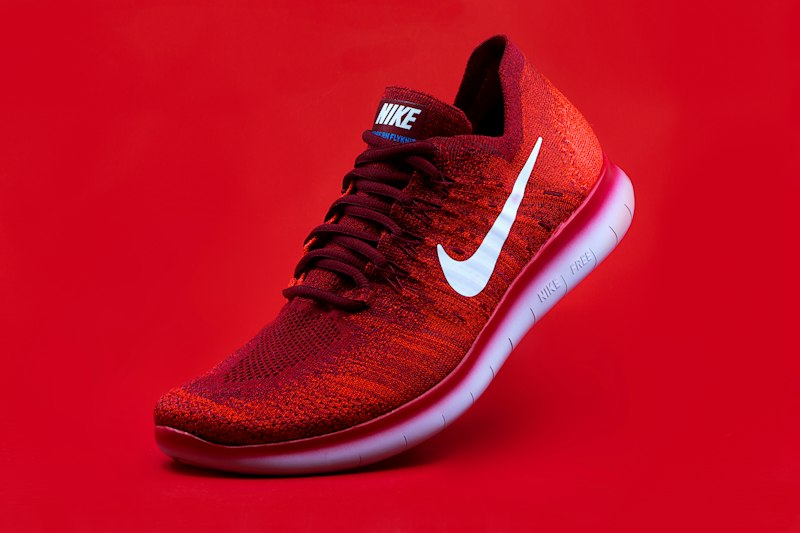
In 2006, a pair of Air Jordan 1s retailed for $120. Today, deadstock pairs from that same era sell for $3,000 to $15,000 on secondary markets — and serious collectors have portfolios that rival traditional investment accounts.
The sneaker resale market hit $30 billion globally last year, and analysts project it will reach $50 billion by 2030. What was once dismissed as a niche hobby is now a certified asset class, complete with authentication services, insured storage, and fractional ownership platforms.
The Cultural Foundation
Behind the numbers is a story about culture, community, and how the hood has always had an instinct for value creation — even when mainstream institutions couldn't see it.
Sneaker culture was born at the intersection of basketball, hip-hop, and street fashion. It was driven by communities that placed enormous value on self-expression, aesthetic sophistication, and cultural currency. The market just took 40 years to catch up.
The New Infrastructure
Today's sneaker economy has spawned an entire ecosystem: authentication apps, resale platforms, grading services, insurance products, and investment funds. GOAT, StockX, and Kicks Crew collectively process over $5 billion in transactions annually.
And increasingly, Black entrepreneurs are building the infrastructure. Several of the leading authentication services and resale platforms were founded by people who grew up in the culture they're now monetizing.
"We created the demand," says reseller and entrepreneur DeShawn Miles. "Now we're building the market."
Did you enjoy this article?
Written by
Jerome Carter
Staff writer at The Hood Forbes Magazine covering business, wealth, and culture.