
The Hip-Hop Economy: How a Culture Became a $25 Billion Industry
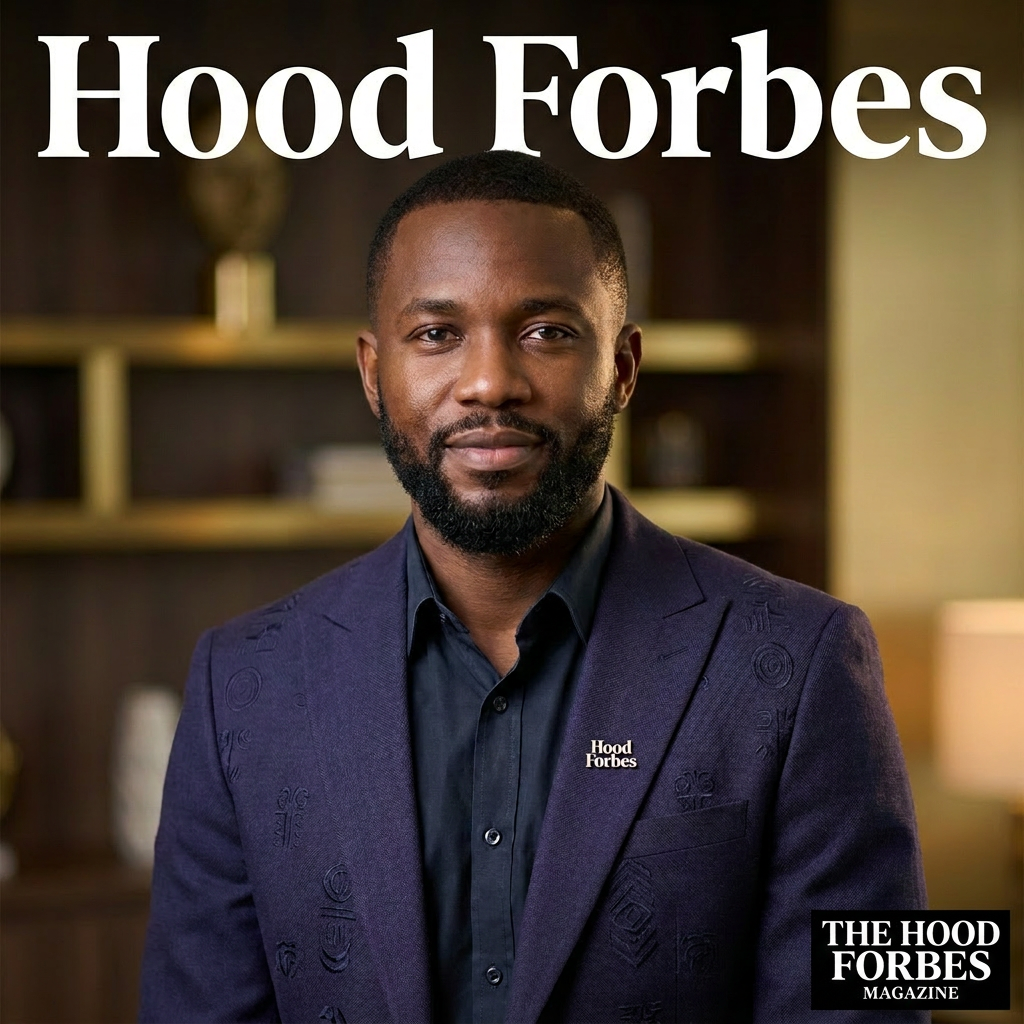
Jerome Carter
July 3, 2026 · 9 min read
From block parties in the Bronx to billion-dollar brands, hip-hop's economic footprint has never been larger — or more complex.
In 1973, DJ Kool Herc threw a back-to-school party at 1520 Sedgwick Avenue in the Bronx. Admission was 25 cents. What he started that night became the most commercially dominant cultural movement in modern history.
In 2026, hip-hop is a $25 billion global industry — and that's a conservative estimate. It touches fashion, tech, sports, film, food, beauty, and finance. It has produced more Black billionaires than any other cultural phenomenon in American history.
From Culture to Commerce
The evolution has been remarkable in its scope and speed. What began as a form of expression for marginalized communities became, in roughly four decades, the defining force in global popular culture.
And with cultural dominance came economic power. Artists who once struggled to retain ownership of their masters now negotiate as equals with major labels — or bypass them entirely. Rappers don't just endorse products; they own the companies.
The Next Chapter
The question that defines the current moment isn't whether hip-hop's economic power is real — it clearly is. The question is whether that power is being harnessed to build lasting institutions and community wealth, or whether it remains largely concentrated in a small number of individual success stories.
"We have all the elements," says cultural economist Dr. Renée Washington. "We have cultural influence, consumer spending power, talent, and increasingly, capital. What we need now is infrastructure — institutions that outlast individual success stories."
Did you enjoy this article?
Written by
Jerome Carter
Staff writer at The Hood Forbes Magazine covering business, wealth, and culture.