Lil Baby Bought Back His Block — Literally. The Atlanta Icon Is Turning His Old Hood Into Generational Wealth
Marcus Webb
July 7, 2026 · 7 min read
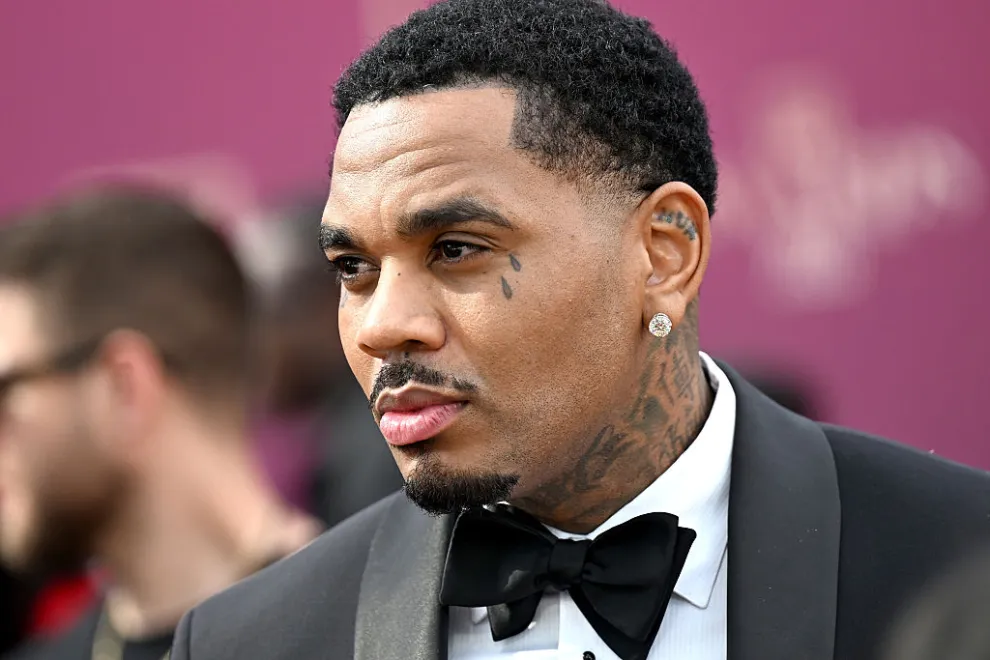
In one of the most powerful community reinvestment moves in hip-hop history, Dominique Jones purchased the apartment buildings where he grew up in Atlanta's Kirkwood neighborhood. He didn't just come back — he came back as the owner.
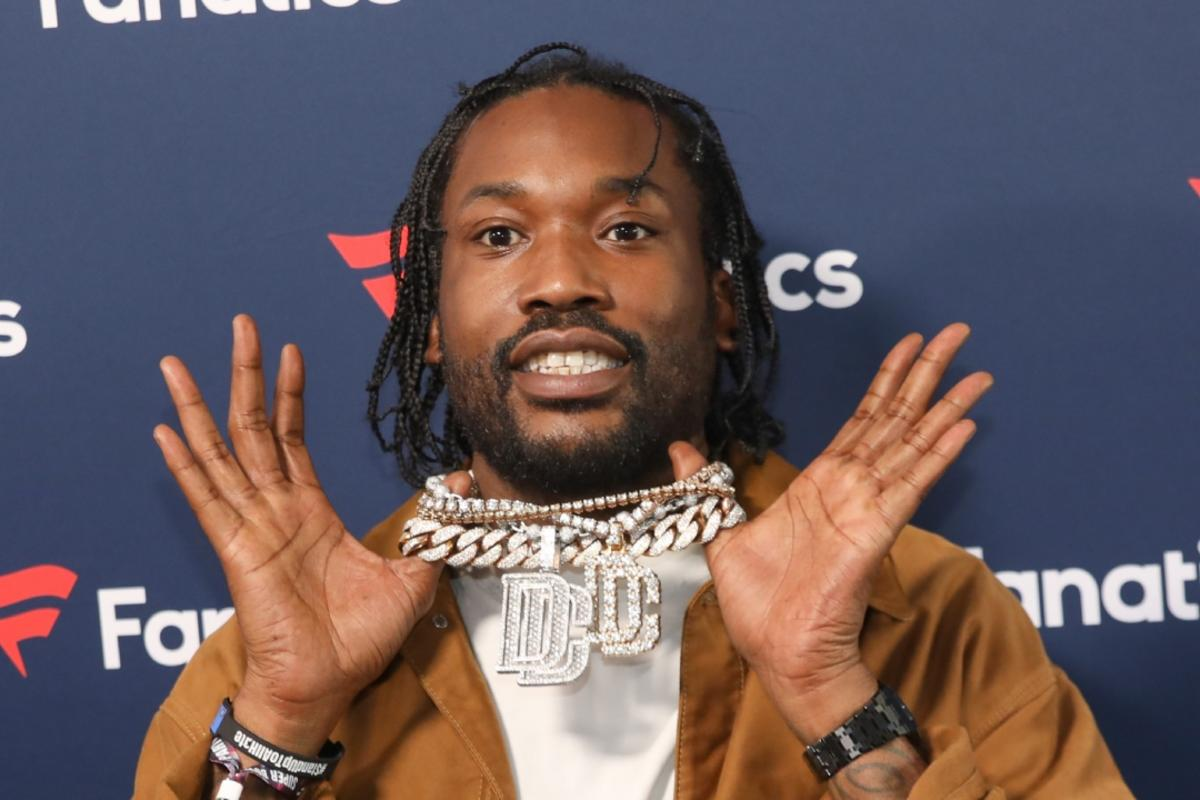
Dominique Armani Jones — known to the world as Lil Baby — grew up in Atlanta's Kirkwood neighborhood, in the kind of apartment complexes that most people describe as a circumstance to escape. In early 2026, he purchased several of those same apartment buildings for his sons. He didn't just leave the block. He bought it.
That move — quiet, strategic, and profound — is the clearest possible demonstration of what generational wealth actually looks like in practice.
The Full Circle
Hip-hop has always talked about "going back to the hood." Concerts in the neighborhood, turkey giveaways at Thanksgiving, back-to-school drives. All of it real. All of it meaningful. But Lil Baby's move represents something different in kind, not just degree.
Owning real estate in the communities where you grew up means that the rent checks — the same kind of financial pressure that shaped your childhood — now flow to you. It means that when your children's names are on the deed, they inherit not just money but roots, history, and the security of land.
"He's not just buying property," said one Atlanta-area real estate analyst following the news. "He's converting the narrative of poverty into an asset class. That's a sophisticated understanding of what real estate ownership actually means for communities that have been renting for generations."
The Numbers Behind the Move
Lil Baby's net worth is estimated at $12 million and growing — built through a career that has produced multiple platinum albums, sold-out tours, and an increasingly sophisticated business operation managed through his 4PF (4 Pockets Full) brand.
But beyond music, Baby has been vocal about his intention to invest in real estate as the foundation of his family's long-term wealth. The Kirkwood purchases represent the most visible expression of that commitment — a move that ties financial strategy to community loyalty in a way that resonates far beyond the transaction itself.
4PF: Building an Institution
4 Pockets Full is not just a brand name or a crew callout. It is Lil Baby's operating philosophy, and increasingly, a business entity built around it. The label has signed and developed artists. The merchandise operation generates millions. The real estate portfolio is expanding.
The architecture is intentional: build multiple income streams that feed each other. Music drives cultural credibility. Cultural credibility drives brand value. Brand value drives business deals. Business deals generate capital. Capital buys real estate. Real estate builds generational wealth.
That is not a rapper's career arc. That is an institution being built.
What the Hood Can Learn
You don't have to go platinum to execute Lil Baby's strategy at a smaller scale. The principle — buy back the community you came from rather than escaping it — is replicable at any income level.
One duplex in your childhood neighborhood. One commercial property on the street where you grew up. One piece of land that anchors your family to something physical and permanent.
Lil Baby didn't just make it out. He made it back — on his own terms, with his family's future secured in the foundation of the place that made him.
That is not just a business move. That is a statement about who the hood is and what it can own.
Did you enjoy this article?
Written by
Marcus Webb
Staff writer at The Hood Forbes Magazine covering business, wealth, and culture.