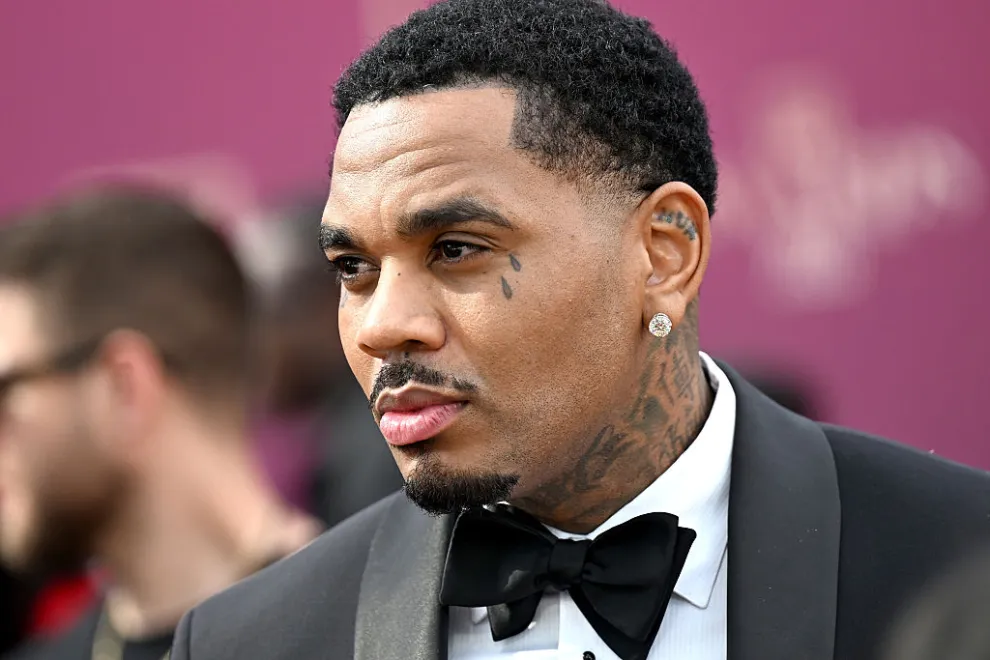
Kevin Gates: 'I Don't Just Make Music, I Build Assets' — Inside the Rapper's Investment Philosophy
Jerome Carter
July 5, 2026 · 8 min read
The Baton Rouge rapper has been quietly building one of hip-hop's most disciplined investment portfolios. His message to every artist in the game: own everything you touch.
Kevin Gates does not fit the narrative that the industry built for him. The tattoos, the intensity, the unfiltered rawness — the machine wanted that to be the whole story. But behind the image is a man who has studied ownership, studied investment, and built a financial infrastructure that most artists his level have never come close to.
"I don't just make music," he has said. "I build assets. Every song I record is an asset. Every company I start is an asset. Everything I put my name on has to have a return."
That thinking — applied consistently over a decade — has produced something remarkable.
Breadwinners Association: Owning the Label
Kevin Gates co-founded Breadwinners Association, his independent music label, as a direct assertion of ownership over his creative output. In an industry that has historically stripped Black artists of their masters, their publishing, and their futures, Gates made the structural decision early: control the company, control the catalog.
Breadwinners Association has released multiple platinum projects and serves as the vehicle through which Gates retains ownership of his music — meaning every stream, every sync license, every playlist placement generates income that flows back to him rather than to a major label's quarterly report.
This is not an accident. It is a business decision made with full understanding of what the alternative costs.
Real Estate as the Foundation
Gates has spoken openly about his real estate investment strategy in multiple interviews. Property, in his view, is the asset class that connects the streets to generational wealth most directly. "Real estate doesn't lie," he has said. "It's there. You can touch it. It builds equity while you sleep."
He has invested in residential and commercial properties across the South, building a portfolio that generates passive income independent of his music career. This is the playbook that every financial advisor recommends and that the streets have intuitively understood for generations: own the land, own the building, collect the rent.
The LLC Philosophy
Kevin Gates has been vocal about the importance of incorporating your name and your business activities. His companies span music, merchandise, real estate, and other ventures — all structured under legal entities that protect his assets and create the framework for estate planning and generational transfer.
"Your name is your first company," he has said — a statement that lands differently when you consider that he has actually acted on it structurally, not just philosophically.
Fitness, Discipline, and the Business of Self
One of Gates's most consistent messages is the connection between physical discipline and business discipline. His public commitment to fitness — training regimens, diet, mental health — is not just personal. It is brand strategy. It signals to his audience and his business partners that he operates with intention and self-mastery.
In a world where many artists' careers are derailed by personal chaos, Gates has positioned consistency as a competitive advantage.
The Message to the Hood
Kevin Gates's business philosophy, stripped down to its core, is this: every transaction you enter should move you toward ownership. Every dollar you earn should buy you something that earns more dollars. Every deal you sign should build your position, not someone else's.
"I want my kids to eat off what I built," he has said. "That means I have to build something that lasts longer than I do."
In an industry full of artists who earn millions and end up broke, Kevin Gates has chosen the other path. The quiet path. The ownership path. And the numbers are starting to speak for themselves.
Did you enjoy this article?
Written by
Jerome Carter
Staff writer at The Hood Forbes Magazine covering business, wealth, and culture.