
Teaching the Next Generation: Why Financial Literacy is the New Civil Rights Issue
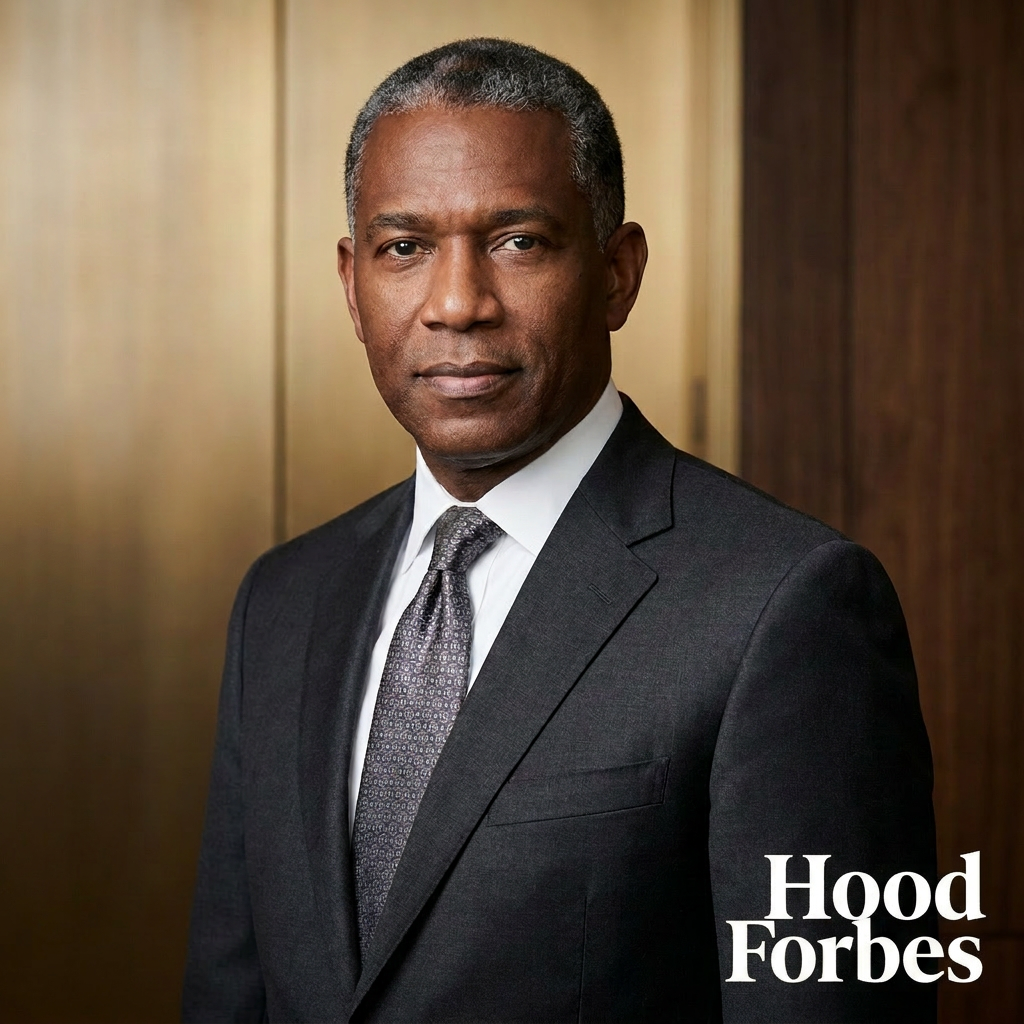
Marcus Webb
July 1, 2026 · 7 min read
Access to financial education could be the most transformative equity issue of our time. A new movement is making sure the next generation gets it.
When Derrick Johnson was 16, he didn't know what a Roth IRA was. Neither did his parents, his teachers, or anyone in his neighborhood. That gap in knowledge, he argues today, cost his family decades of compound growth.
"Nobody taught us this stuff," says Johnson, now 31 and founder of MoneyMoves Academy, which has provided free financial literacy curriculum to over 200,000 students in Title 1 schools across 12 states. "And it's not an accident. Financial complexity has always worked in favor of people who already have wealth."
The Scale of the Problem
A 2025 study found that only 14% of students in majority-Black school districts receive any formal financial literacy education before graduating high school, compared to 67% in majority-white districts. The gap in outcomes is predictable and devastating.
A New Civil Rights Framework
A growing coalition of educators, entrepreneurs, and policy advocates is treating financial literacy as a civil rights issue — arguing that the systematic exclusion of this knowledge from communities of color is a form of structural violence with measurable economic consequences.
"If you don't understand compound interest, inflation, credit scores, and asset allocation, you are at a permanent structural disadvantage," says economist Dr. Alicia Hammond. "That's not an accident. It's a design."
The Solution
MoneyMoves Academy's curriculum — which covers everything from budgeting basics to stock market investing to real estate fundamentals — is now available free in all 50 states. The results: students who complete the program are 3x more likely to open investment accounts before age 25.
Did you enjoy this article?
Written by
Marcus Webb
Staff writer at The Hood Forbes Magazine covering business, wealth, and culture.