The King Beyond the Court: How LeBron James Built a $1.4 Billion Business Empire While Still Lacing Up

Marcus Webb
July 21, 2026 · 8 min read
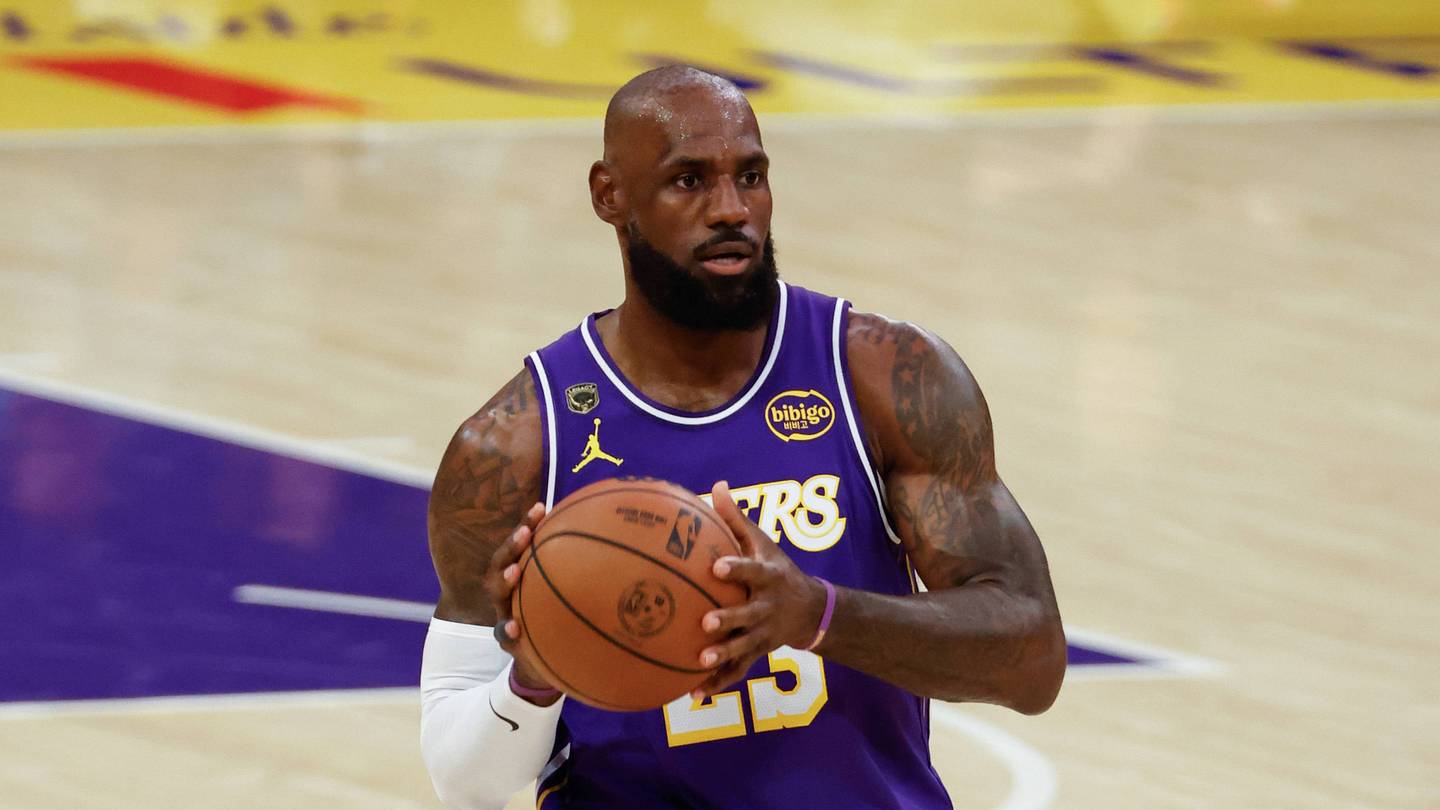
Every generation gets one player who dominates the court. But LeBron James did something none of them did — he built a $1.4 billion business empire before his jersey even hit the rafters. SpringHill, Fenway Sports Group, Lobos 1707, LRMR Ventures. The King didn't wait for retirement. He ran the board while still running point.
When LeBron James was 18 years old, he fired his agent. Not because the relationship went sour. Not because he found someone better. He fired him because he decided he was going to be his own boss — and he needed people around him who understood that.
That decision, made at 18 years old by a kid from Akron's Spring Hill housing complex, is the origin story of everything. It explains the $1.4 billion net worth Forbes estimated in 2026. It explains SpringHill. It explains why Liverpool FC fans now have a Black kid from Ohio as a part-owner of their club. It explains all of it.
The court was always the foundation. But the building is business.
LRMR Ventures: The Equity-First Framework
Before there was SpringHill, before there was Fenway Sports Group, before there was Lobos 1707 tequila — there was LRMR Ventures. The management and marketing firm LeBron founded with his childhood best friend Maverick Carter in 2006.
LRMR was the engine that changed how LeBron thought about money. When most athletes were taking endorsement fees and depositing the check, LeBron and Maverick were asking a different question: what if we take equity instead?
That question led to a rumored two-to-three percent stake in Liverpool FC — an investment made through Fenway Sports Group in 2011 when the club was valued at roughly $476 million. Liverpool is now worth north of $5 billion. The math does itself.
The same equity-first logic drove a Blaze Pizza investment in 2012 that reportedly turned $1 million into $35 million by the time LeBron sold his stake. It drove investments in Beats by Dre that cashed out spectacularly when Apple paid $3.2 billion for the brand. Every deal LRMR touched was built on the premise that ownership was the only play that compounds.
SpringHill: The $725 Million Media Machine
In 2020, LeBron and Maverick Carter consolidated their entertainment interests into SpringHill — a full-service media and entertainment company. The company produces films, television series, podcasts, and brand partnerships, with a roster of clients that includes athlete-entrepreneurs who want the same strategic architecture LeBron built for himself.
The company took its name from the Spring Hill housing complex in Akron where LeBron grew up. That was intentional. SpringHill exists to demonstrate that the kids who grew up in Spring Hills everywhere can build something this size.
SpringHill's valuation hit $725 million in its 2021 fundraising round — a number that includes outside investors like Nike, Epic Games, and a group of private equity backers who saw what LRMR built and wanted in. LeBron owns the controlling stake.
The company's most high-profile output includes the Space Jam: A New Legacy film (which generated over $160 million at the box office despite mixed reviews), the More Than a Vote voting rights initiative, and a consistent slate of documentary content that positions athletes as the intellectual property assets they actually are.
The Sports Ownership Portfolio
Liverpool FC is the flagship. But the Fenway Sports Group relationship has grown into something larger. FSG's portfolio now includes the Boston Red Sox, the Pittsburgh Penguins, and NESN — the regional sports network. LeBron's stake in FSG gives him equity exposure across the full portfolio.
On the NBA side, LeBron has been public about his desire to own a franchise. In 2024, he was part of a group bidding for an expansion franchise in Las Vegas. The NBA awarded that franchise to another group, but the interest itself was a statement: LeBron is not waiting for someone to hand him ownership. He is pursuing it as actively as he pursued championships.
Lobos 1707 Tequila: The Spirit Play
In 2021, LeBron became a co-owner and brand ambassador for Lobos 1707, a premium tequila brand founded by Diego Osorio. The brand is positioned as a luxury tequila that competes at the top end of the market — above Don Julio 1942, competing with Clase Azul and Casa Dragones.
The celebrity spirits category has become a crowded space. The difference between the brands that work and the brands that are a photo opportunity is equity and actual operational involvement. LeBron took an ownership stake and joined the board. Lobos is not a check. It is a piece of his portfolio.
The $1.4 Billion Blueprint
In 2022, LeBron crossed into billionaire territory — becoming the first active NBA player to achieve that milestone. By 2026, Forbes estimates his net worth at $1.4 billion.
The breakdown: Nike deal earnings (over $1 billion since signing in 2003), SpringHill stake, Fenway Sports Group stake, LRMR's other investments, Lobos 1707, and a career NBA salary that crossed $500 million in cumulative earnings.
But the number matters less than the method. LeBron didn't get to $1.4 billion by accepting the first offer. He got there by asking one question — every single time — before signing anything: Do I get equity?
Blueprint Takeaway
1. Fire the agent when you're ready to be the principal. LeBron's decision at 18 to take ownership of his own management set the tone for every business decision that followed. Know when you've outgrown the relationship and build the table yourself.
2. Equity is the only play that compounds. The fee gets spent. The equity grows. Liverpool, Beats, Blaze Pizza — every equity bet LeBron made returned multiples that no flat fee could have matched.
3. Name the company after where you came from. SpringHill is not a branding exercise. It is a declaration that the kid from the projects can build a $725 million enterprise and never forget where the story started.
4. Own the sport before the sport ends. LeBron pursued franchise ownership while still playing. Waiting for retirement to start thinking about the next chapter means starting from zero. Start building the empire before the final buzzer.
The King built different. And the blueprint is right there for anyone willing to study it.
Did you enjoy this article?
Written by
Marcus Webb
Staff writer at The Hood Forbes Magazine covering business, wealth, and culture.