Bank Black or Stay Broke: How Killer Mike Built the New Black Wall Street With a $95M Vision and a Barbershop Full of Ideas
Tasha Monroe
July 18, 2026 · 9 min read
In 1921, the original Black Wall Street in Tulsa was burned to the ground. A century later, Michael Render — Killer Mike — co-founded Greenwood Bank, raised $95M, and announced a $50M expansion in 2026. The name is not a coincidence. The mission is not a metaphor.
In the summer of 1921, the Greenwood District of Tulsa, Oklahoma — known as Black Wall Street — was destroyed in one of the deadliest racial massacres in American history. The most prosperous Black business district in the country was burned to the ground in 18 hours. Banks, law offices, hotels, dental offices, and hundreds of homes were destroyed. The wealth that Black Tulsans had built over generations was wiped out.
Michael Render — the Atlanta rapper and activist the world knows as Killer Mike — named his bank after that place. Not because it was a good marketing hook. Because he understood that the work of building Black economic infrastructure never stopped being necessary. It just stopped being funded.
In 2026, Greenwood closed a $50 million expansion round. The bank now serves a community of hundreds of thousands of customers. And Killer Mike is just getting started.
The Founding of Greenwood
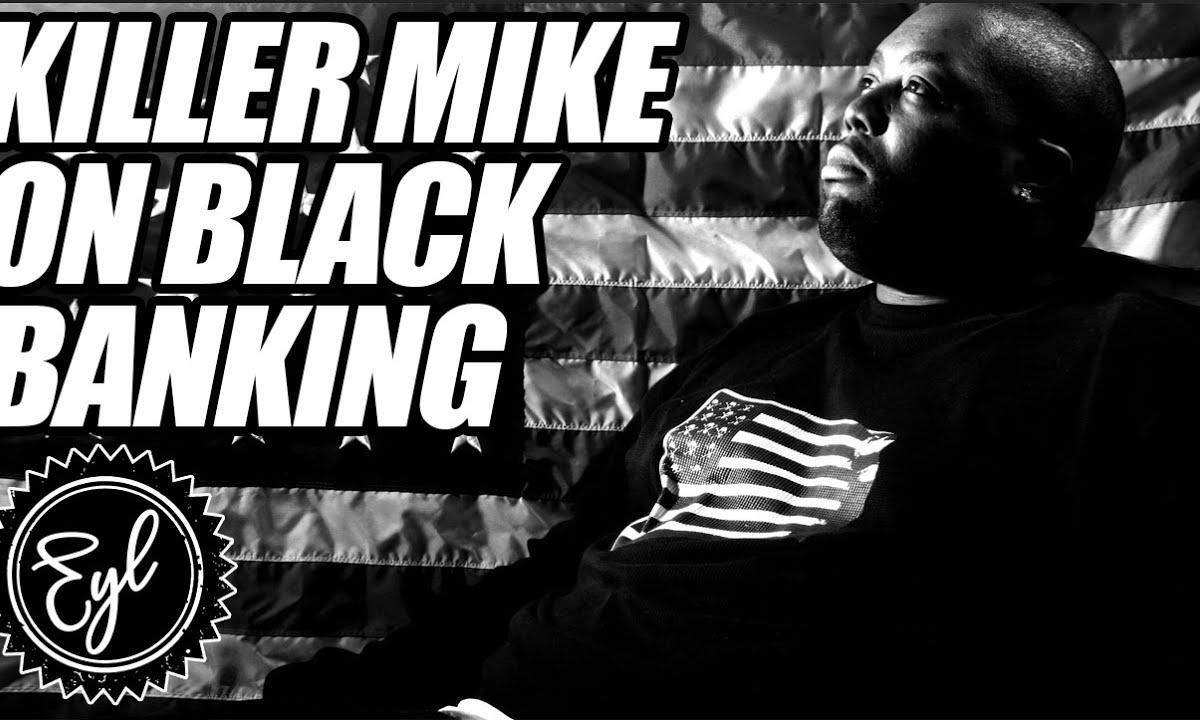
Killer Mike co-founded Greenwood Financial in 2020 alongside Bounce TV founder Ryan Glover and former Atlanta mayor Andrew Young. The platform was built specifically to serve Black and Latino communities — two groups that have historically been denied equal access to banking, credit, and wealth-building financial products.
The name Greenwood was chosen deliberately. "We named it after Black Wall Street," Killer Mike said at the launch. "Because that's what we're trying to rebuild."
In the first 100 days after launch, Greenwood amassed 500,000 signups — numbers that validated the demand and silenced every banker who had argued that underserved communities wouldn't adopt digital financial products.
The market was not the problem. The infrastructure was the problem. Greenwood built the infrastructure.
The $45M Round and the Kinly Acquisition
In late 2022, Greenwood raised $45 million in a funding round led by Pendulum — significantly expanding the bank's capacity to serve its growing customer base and acquire complementary technologies.
Following that round, Greenwood acquired Kinly, a banking platform designed specifically to empower Black Americans with financial tools, credit-building products, and savings vehicles that the traditional banking sector had systematically underprovided.
The Kinly acquisition was not just about technology. It was about market consolidation — bringing two Black-focused financial platforms under a single operational umbrella to serve the community at greater scale and lower cost.
The 2026 Expansion: $50M and a New Vision
In early 2026, Killer Mike announced a $50 million expansion of Greenwood's digital banking empire — bringing the total capital raised to approximately $95 million. The expansion accelerates Greenwood's ability to offer business banking, investment products, and credit solutions to Black and Latino entrepreneurs at scale.
"We're building Black Wall Street," he said. "Not just as a metaphor. As a real institution."
The announcement positioned Greenwood not just as a consumer bank but as a business banking platform for the very entrepreneurs Hood Forbes covers every week — the restaurant owners, the barbershop operators, the real estate investors, the music business professionals who have been systematically excluded from the capital that grows businesses.
The Barbershop and the Brand
Killer Mike's business presence in Atlanta extends beyond finance. His barbershop in the West End neighborhood is simultaneously a community institution and a brand statement — the idea that Black-owned physical spaces in Black communities are not just businesses but infrastructure.
The barbershop is where conversations happen. Where ideas circulate. Where the community builds itself in real time. Killer Mike has always understood that economic empowerment is not just digital — it is physical, local, and rooted in the neighborhoods that produced the culture.
His Grammy-winning album MICHAEL put him back at the center of cultural conversation in 2024. His multiple Grammy wins through 2026 have only amplified the platform from which he speaks.
What Greenwood Means for the Hood
The original Black Wall Street was destroyed because it worked. It demonstrated that Black economic independence was possible, and that demonstration threatened people who benefited from the alternative.
Killer Mike built Greenwood in 2020 knowing that history. He raised $95 million knowing that history. He named it after a massacre knowing that history. And he continues building knowing that the work of building economic infrastructure for Black communities is never finished — it is only interrupted.
Blueprint Takeaway
1. Name things after where you come from. Greenwood is named after a massacre because the mission demands that weight. Your business name tells your community what you stand for. Choose deliberately.
2. Build the infrastructure, not just the product. Banking for Black communities was not a product problem. It was an infrastructure problem. Killer Mike solved the infrastructure.
3. Raise capital to deploy capital. $95 million raised so that millions of Black and Latino families can access the financial tools that build wealth. Capital raised for community impact is still capital raised.
4. Use your platform to build something that outlasts you. Killer Mike's music career amplifies his banking platform. His banking platform amplifies his political work. His political work amplifies his community investments. Each lane feeds the others.
From Atlanta's West End to Black Wall Street rebuilt. The name means something. The mission is real.
Did you enjoy this article?
Written by
Tasha Monroe
Staff writer at The Hood Forbes Magazine covering business, wealth, and culture.