
Snoop Dogg Bought the Label That Made Him. Now He Owns the Catalog That Owns the Culture.
Jerome Carter
July 17, 2026 · 8 min read
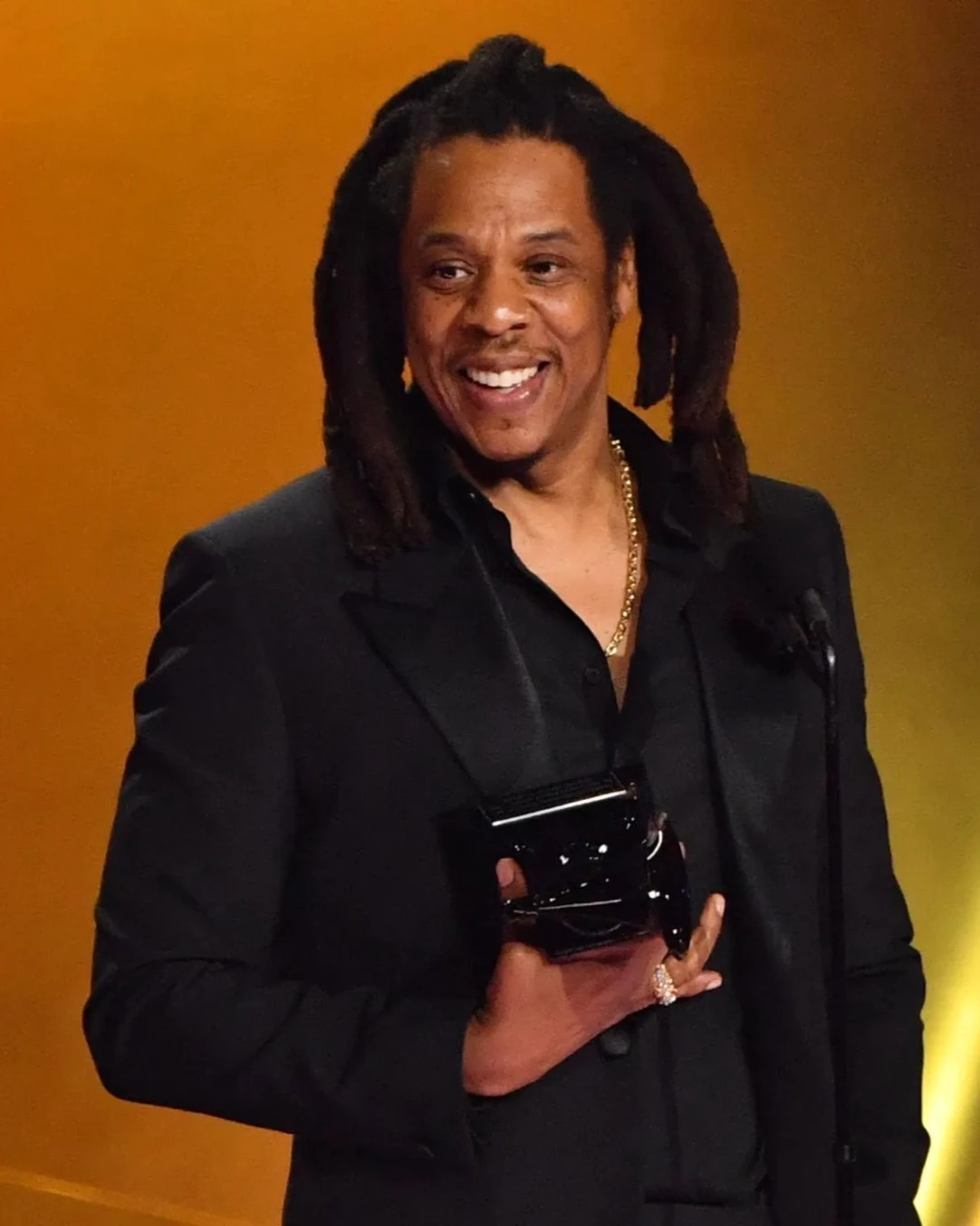
In 2022, Snoop Dogg acquired Death Row Records — the label that signed him in 1992 and launched one of the most iconic careers in hip-hop history. This is not a nostalgia move. This is a $40 million ownership play that repositioned the Long Beach legend as one of music's most significant media and catalog owners.
Calvin Cordozar Broadus Jr. walked into Death Row Records in 1992 as a 20-year-old from Long Beach, California — unknown to the world, vouched for by Dr. Dre, and carrying a voice that would become one of the most recognized in music history. He had no ownership. He had no leverage. He was a young artist who got in the door on talent.
Thirty years later, he bought the door.
In February 2022, Snoop Dogg completed the acquisition of Death Row Records from MNRK Music Group, a portfolio company controlled by the Blackstone investment firm. The terms were not publicly disclosed — estimates placed the deal in the range of $40 million or above. What was confirmed: Snoop Dogg, the artist Death Row helped make famous, now owned Death Row Records outright.
In the entire history of modern music, few ownership moves have been this symbolic, this structural, and this deliberate.
What Death Row Actually Is
To understand why this acquisition matters, you have to understand what Death Row represents in the cultural economy.
Death Row Records — founded in 1991 by Dr. Dre and Suge Knight — is the label that introduced gangsta rap to mainstream America. Its roster included Snoop Doggy Dogg, Tupac Shakur, Dr. Dre, Tha Dogg Pound, and MC Hammer. Its releases include Doggystyle, The Chronic, All Eyez on Me, and Tha Dogg Pound. These are not just albums. They are cultural artifacts with decades of residual streaming revenue, licensing value, and brand equity.
The Death Row catalog generates millions of dollars annually — through streaming, sync licensing for film and television, sample clearances, and merchandise. It is not a dormant archive. It is an active revenue engine built on music that has never stopped being relevant.
When Snoop acquired the label, he acquired all of that. The catalog. The brand. The logo. The history. And the future.
The First Streaming Label Built Around a Catalog
Snoop's initial vision for Death Row post-acquisition was bold: turn it into the first major streaming-native label. He announced plans to pull Death Row releases from physical distribution and move them exclusively to streaming platforms — a strategy that would have been impossible in 1995 but that the current music economy is built to accommodate.
The catalog eventually returned to broader distribution following a partnership with gamma., Larry Jackson's music company, which acquired a stake in Death Row. But the underlying logic — that catalog ownership combined with streaming economics creates a perpetual revenue machine — remains the core of Snoop's strategy.
"I'm not just an artist anymore," he has said. "I'm an executive. I'm a label owner. I'm a publisher. I'm a brand."
That statement is not hyperbole. It is a description of a diversified media company built around a name and a catalog that have been generating cultural and commercial value for over thirty years.
Building Beyond the Catalog
Death Row is only one piece of the Snoop Dogg business universe, which has expanded across multiple verticals with the kind of consistent logic that most brands never achieve.
His cannabis brand — built in partnership with various operators — positioned him as the most recognized name in celebrity cannabis at a moment when the industry was being legalized and normalized at scale. His media company, Snoopadelic, produces content across formats. His Death Row Records has announced new signings — new artists who will carry the label's legacy into a future generation.
His performance at the 2022 Super Bowl halftime show alongside Dr. Dre, Eminem, Mary J. Blige, Kendrick Lamar, and 50 Cent was the most-watched halftime performance in recent history — a cultural moment that amplified the Death Row brand to a global audience of hundreds of millions precisely when he had just completed its acquisition. Whether that timing was calculated or fortuitous, the effect was the same: the world was reminded that Death Row is not a relic of the '90s. It is a living brand with a billionaire-level audience.
The Long Beach Philosophy
What Snoop Dogg's career arc illustrates — from Doggystyle to Death Row ownership — is a principle that Hood Forbes returns to over and over: the culture that creates the product eventually has to own the industry that sells it.
For thirty years, Death Row's catalog generated revenue for corporate owners, private equity firms, and institutional investors who had no connection to the community, the music, or the culture that built it. Snoop Dogg ended that arrangement. He put his name on the ownership paper that had always had someone else's name on it.
That is not just a business deal. That is a statement about who the hood builds for when it finally builds for itself.
Blueprint Takeaway
1. Come back and buy what you helped build. Snoop didn't just achieve success under Death Row — he came back and acquired it. When you've helped build something, your goal should eventually be to own it.
2. Catalog is the compounding asset. Music catalogs generate revenue indefinitely. Owning a catalog — even partially — is owning a revenue stream that compounds without your active labor.
3. Time your visibility with your ownership moves. The Super Bowl halftime show and the Death Row acquisition happened simultaneously. When you're building, time your biggest cultural moments to amplify your biggest business moves.
4. Build vertical depth, not just width. Label, streaming, publishing, cannabis, media, merchandise — Snoop is not spreading himself thin. He's building vertical depth around a core identity. Every business reinforces the brand.
Did you enjoy this article?
Written by
Jerome Carter
Staff writer at The Hood Forbes Magazine covering business, wealth, and culture.