Bigger Than Music: How Jay-Z Built a $2.5 Billion Empire From Brooklyn to Boardrooms
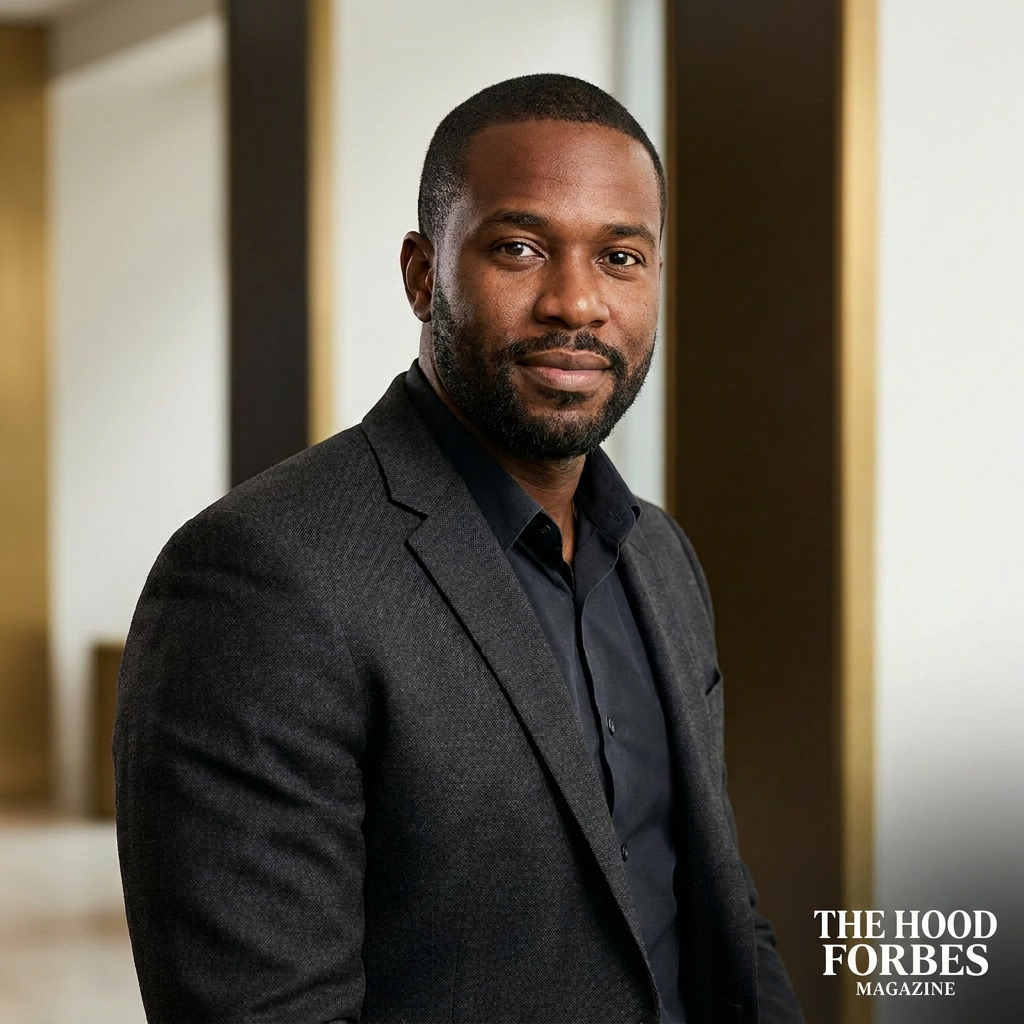
Andre Thompson
July 5, 2026 · 9 min read
He started with a record deal and turned it into a dynasty. From Roc Nation to Armand de Brignac, Jay-Z's business blueprint is a masterclass every hood entrepreneur needs to study.
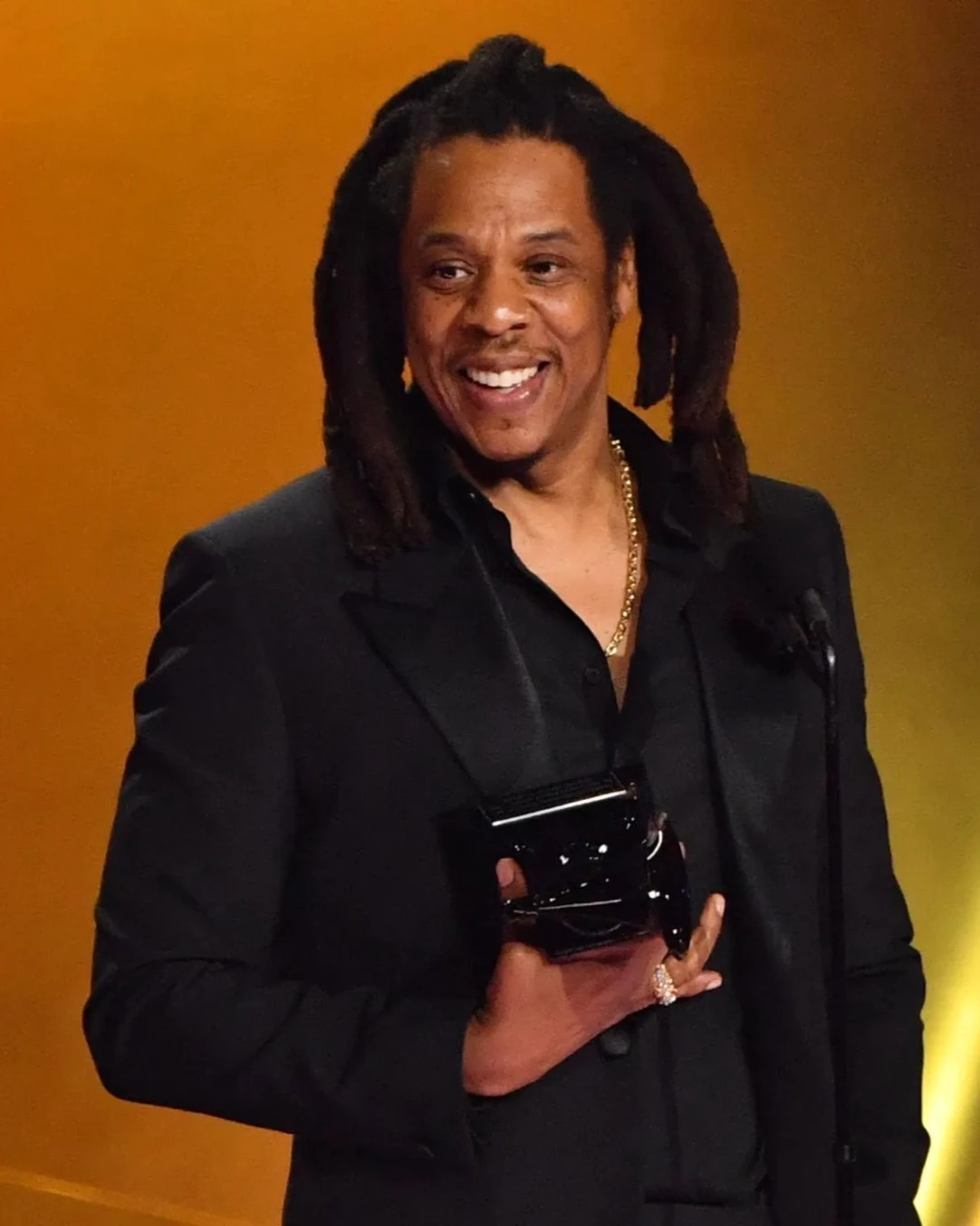
Shawn Corey Carter grew up in the Marcy Houses in Brooklyn, New York — one of the most notorious housing projects in America. Today he is worth an estimated $2.5 billion and controls one of the most diversified entertainment and business empires in the world. The journey from Marcy to mogul is not a luck story. It is a strategy story.
The Name as the Foundation
Long before he became the subject of academic business case studies, Jay-Z understood something that most people in his position never grasped: his name was the asset, not just his talent. Every deal he made, every company he started, every investment he entered was an extension of that brand equity. "I'm not a businessman, I'm a business, man" — he wasn't just rapping. He was announcing a philosophy.
That philosophy has compounded into something extraordinary.
Roc Nation: The Empire's Headquarters
Founded in 2008, Roc Nation is the centrifuge around which Jay-Z's entire business universe spins. It is simultaneously a record label, a talent management agency, a music publishing company, a sports agency, and a live entertainment company. The roster has included Rihanna, J. Cole, Meek Mill, and dozens of other icons.
Roc Nation Sports has negotiated hundreds of millions of dollars in NFL, NBA, and MLB contracts. The partnership with the NFL — which Jay-Z entered despite significant cultural controversy — was a calculated power move. "I'm at the table now," he said. And from that table, he has shaped cultural conversations, prison reform initiatives, and social justice campaigns that carry the Roc Nation brand into political and civic arenas most entertainment companies never touch.
The Liquor Game
Armand de Brignac — known in the culture as Ace of Spades — is the champagne brand that Jay-Z acquired and turned into a symbol of Black luxury. LVMH, the world's largest luxury conglomerate, purchased a 50% stake in the brand in 2021, valuing it at hundreds of millions of dollars.
D'Ussé, his cognac collaboration with Bacardi, generates massive annual revenue and is one of the fastest-growing spirits brands in the United States. When Jay-Z raps about drinking Ace of Spades, he is not just flossing. He is running a marketing campaign for his own company.
That distinction — the difference between consuming luxury and owning it — is the core of the Jay-Z business blueprint.
TIDAL and the Streaming Wars
Jay-Z's acquisition and relaunch of TIDAL in 2015 was widely mocked at the time. Critics called it vanity. They were wrong about the vision, even if the execution was complicated. TIDAL pioneered artist ownership of streaming platforms — an idea that the entire music industry eventually had to grapple with. Square (now Block) acquired TIDAL in 2021 for $297 million. Jay-Z walked away with a major stake in Block, making him a significant shareholder in the fintech company founded by Twitter co-creator Jack Dorsey.
He turned a streaming platform into a fintech investment. That is not music. That is venture capital.
Marcy Venture Partners
Jay-Z co-founded Marcy Venture Partners, a venture capital firm named after his Brooklyn housing project, with former Roc Nation president Jay Brown. The firm has invested in companies across consumer goods, media, health, and technology — including early positions in companies that have since reached significant valuations.
He literally named his VC firm after the housing project where he grew up, and used it to invest in the future of American business. That is the arc of a name built correctly.
The Blueprint for the Hood
Jay-Z's path is not replicable in its specifics, but it is absolutely replicable in its structure. He identified his core asset — his name and cultural credibility. He leveraged it into businesses he owned rather than just endorsed. He invested his returns into categories that compound. And he used his platform to create access for the next generation.
"The best investment you can make is in yourself," he has said. For Jay-Z, that investment started at Marcy and now touches every corner of the global economy.
That is what a name built as a business looks like at full scale.
Did you enjoy this article?
Written by
Andre Thompson
Staff writer at The Hood Forbes Magazine covering business, wealth, and culture.