From Death Row to CEO: How Snoop Dogg Turned a Label That Almost Destroyed Him Into a Multi-Industry Empire

Jerome Carter
July 25, 2026 · 8 min read
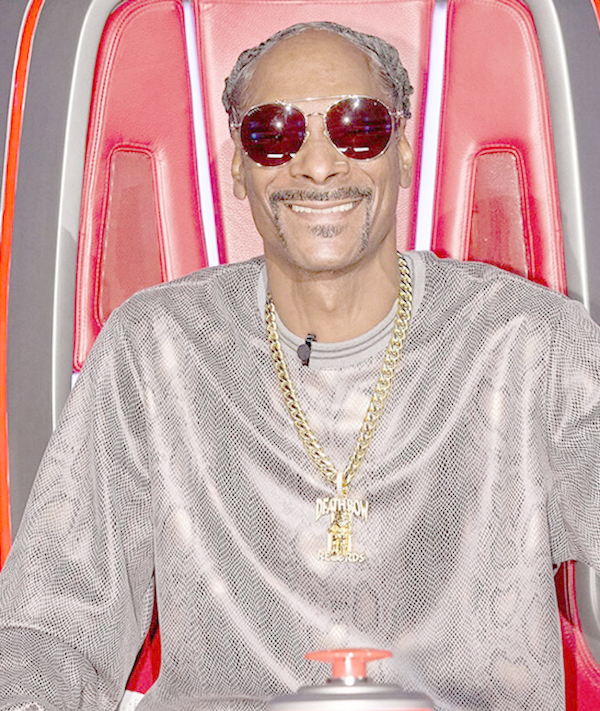
In 2022, Snoop Dogg bought Death Row Records — the label that launched him, then bled him dry. In 2026, he's running it as a cannabis brand, an e-commerce platform, a music label, and a lifestyle empire. The Doggfather didn't just survive the industry. He bought it.
Most people who get out of a bad situation just want to leave. Snoop Dogg bought his way back in.
In January 2022, Calvin Cordozar Broadus Jr. — born in Long Beach, California, raised in the California rap tradition, known everywhere on Earth as Snoop Dogg — acquired Death Row Records for an undisclosed amount from MNRK Music Group. The label had been sold multiple times, run into the ground, and turned into a financial story that no one outside of Hollywood accounting could fully follow.
But Snoop knew what it was really worth. Not the catalog. Not the IP. The name.
Death Row Records. Five syllables that carry the weight of an entire era of West Coast hip-hop. The label that made Dr. Dre into Dr. Dre. The label that gave 2Pac his commercial peak. The label that introduced Snoop Dogg to the world on The Chronic in 1992. That name is worth more than any balance sheet could capture.
The Cannabis Play: Death Row Goes Green
The most underreported business move in Snoop's empire is the Death Row cannabis brand. After acquiring the label, Snoop didn't just re-release old music. He extended the Death Row brand into cannabis — launching S.W.E.D. (Smoke Weed Every Day) dispensaries, with the first location opening outside Inglewood and the second in Long Beach in 2025.
In 2026, Snoop launched SWED.com and TryDeathRow.com — direct-to-consumer hemp and cannabis e-commerce platforms that allow him to sell products nationally without the overhead of physical retail. The Death Row cannabis brand now includes a partnership with Amsterdam-based Sensi Seeds for a U.S. seed launch, making Death Row one of the only legacy entertainment brands with a functioning cannabis seed distribution network.
The cannabis category operates on brand trust. Consumers don't just buy a product — they buy into a lifestyle and a cultural identity. Death Row cannabis sells the same thing Death Row Records always sold: West Coast authenticity, a certain edge, a connection to a specific chapter of Black American culture that the culture refuses to let go.
Industry analysts estimate the cannabis and hemp market at over $50 billion and growing. Snoop's entry isn't speculative — he's been building toward this since the early days of Leafs by Snoop in 2015, one of the first celebrity cannabis brands.
The Label Revival
Death Row under Snoop is running again as a music label. New artists. New distribution infrastructure. The catalog — which includes Snoop's own early work, Dr. Dre productions, and a significant library of West Coast material — is being managed as an appreciating asset.
Catalog licensing deals generate passive income that compounds annually. A Grammy-season placement, a film sync, a TV commercial — every use of a Death Row catalog recording generates a royalty. Snoop manages this as a financial portfolio, not a music vanity project.
The Olympic Correspondent Chapter
In February 2026, Snoop Dogg returned to the Olympics — this time the Milan-Cortina Winter Games — as an NBC correspondent and honorary Team USA coach. The role generated hundreds of millions of media impressions and extended the Snoop Dogg brand into audiences that had never connected with his music catalog.
That is deliberate brand expansion. Every time Snoop appears in a new context — Super Bowl halftime shows, Olympic coverage, cooking competitions — he is widening the aperture of what the Snoop Dogg brand means. The wider the brand identity, the more opportunities for licensing, partnerships, and collaboration. His net worth sits at an estimated $160 million. The diversification strategy is working.
Casa Verde Capital: The Investment Layer
Underneath everything is Casa Verde Capital, Snoop's venture fund focused on cannabis and cannabis-adjacent companies. Founded in 2015, Casa Verde has invested in dozens of startups in the legal cannabis ecosystem — from software to retail to cultivation technology.
This is the part of Snoop's empire that most people don't know about. He's not just a cannabis consumer. He's a cannabis investor. When the industry grows — and it is growing — Casa Verde's portfolio grows with it. The fund operates independently of his celebrity brand, which means it survives whatever happens to the Snoop Dogg entertainment business.
That's the architecture of long-term wealth: build businesses, invest in industries, create passive income streams that run whether you're on camera or not.
Blueprint Takeaway
1. The name is the asset — protect it, then leverage it. Death Row Records was worth more as a brand than as a functioning label. Snoop recognized that and acquired it before anyone else understood what he was doing. Look for undervalued names with maximum cultural equity.
2. Verticals that share a brand identity compound each other. Death Row cannabis and Death Row music both sell the same cultural story. When you buy Death Row products, you're buying into the same mythology. Stack businesses under one roof whenever the brand is strong enough to carry multiple categories.
3. Enter industries before they're crowded. Snoop moved into cannabis before celebrity cannabis was saturated. Casa Verde invested in cannabis startups when institutional money was still afraid to touch the sector. Early positioning in a growing industry pays dividends that late arrivals can never catch up to.
4. Reinvent the relationship with your past. Death Row almost ended Snoop's career. Instead of running from it, he bought it. The ability to reclaim and reframe your history is a business skill. Your backstory is equity if you're willing to own it.
Did you enjoy this article?
Written by
Jerome Carter
Staff writer at The Hood Forbes Magazine covering business, wealth, and culture.