Fenty Beauty Crosses $3 Billion: Rihanna's Beauty Empire Is the Standard Every Founder Should Study
Brianna Wells
July 9, 2026 · 8 min read
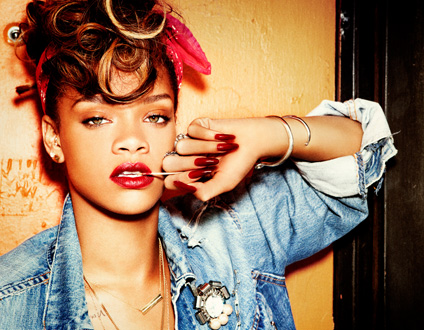
From Barbados to the Forbes Billionaires List, Robyn Rihanna Fenty turned cultural credibility into one of the most profitable beauty companies on earth. This is not a celebrity endorsement story. This is an ownership story.
In 2017, Rihanna launched Fenty Beauty with LVMH — and the beauty industry was never the same. Forty shades of foundation. A product line built explicitly for skin tones that the industry had systematically ignored for decades. A launch that generated $100 million in sales in the first forty days.
By 2026, Fenty Beauty has crossed $3 billion in global sales. The brand that started with a mission to include the excluded has become one of the most commercially dominant beauty companies in the world.
This is what happens when you build for the community the mainstream forgot.
The 40-Shade Launch That Changed the Industry
Before Fenty Beauty, the dominant beauty brands offered maybe 12 to 20 foundation shades — with the darkest options as clear afterthoughts, mismatched undertones, and limited retail availability.
Rihanna and her team launched with 40 shades at every retail price point. The message was not subtle: we built this for everyone, including the people your brand left out.
The market response was immediate and historic. Darker shades sold out first. Women who had never found a match in mainstream beauty flooded the Fenty Beauty retail launch. The hashtag #FentyBeauty trended globally.
And the industry scrambled. Within a year, virtually every major beauty brand had expanded its shade range. The industry term for it is the "Fenty Effect" — the documented shift in beauty industry shade ranges that Rihanna's launch directly caused.
She did not just build a company. She moved an industry.
The Ownership Structure: Why This Is Different
Celebrity beauty deals are common. A name on a product, a percentage of sales, a marketing campaign. That is the traditional model.
Fenty Beauty is not that model.
Rihanna holds a majority stake in Fenty Beauty through LVMH, the world's largest luxury conglomerate. The deal — which made her the first Black woman to head an original brand at LVMH — was structured to give her genuine equity and creative control, not just a licensing fee.
That structure means that as Fenty Beauty crosses $3 billion in sales, the economic value of that achievement flows substantially to Rihanna rather than to a corporation that holds the brand. She is not an endorser. She is an owner.
This is the distinction that separates the Fenty Beauty story from most celebrity beauty partnerships — and it is the lesson that every creator, artist, and entrepreneur with cultural leverage needs to internalize before they sign the next deal that comes to them.
Fenty Skin and Savage X Fenty: The Empire Expands
Fenty Beauty was the opening move, not the whole game.
Fenty Skin extended the brand into skincare with the same inclusive philosophy — products formulated for diverse skin types, launched at accessible price points, and marketed with the same authentic cultural voice that made Fenty Beauty unstoppable.
Savage X Fenty, the lingerie line, became one of the most watched fashion shows in the world — an Amazon Prime event that celebrated diverse body types at a moment when the Victoria's Secret model dominated the category. The brand has generated hundreds of millions in revenue and challenged the definition of what luxury lingerie looks like.
Each extension compounds the core Fenty identity: radical inclusion as business strategy, not just as values statement.
The $3 Billion Blueprint
Rihanna grew up in Bridgetown, Barbados. Her mother sold clothes from a table. The arc from a Barbados girl to the founder of a $3 billion beauty empire is not a fairy tale. It is a blueprint — a demonstration of what happens when someone with genuine cultural credibility builds for the audience that mainstream companies have always underestimated.
The beauty industry spent decades telling women with darker skin tones that they were not the target market. Rihanna turned that exclusion into the entire business model.
That is the Hood Forbes lesson. The community the mainstream overlooks is not a niche. It is a market. Find it, build for it, own it.
The numbers speak for themselves.
Move accordingly.
Did you enjoy this article?
Written by
Brianna Wells
Staff writer at The Hood Forbes Magazine covering business, wealth, and culture.