
The Biggest Boss Is Also the Biggest Franchisee: How Rick Ross Built a $150M Empire One Wingstop at a Time
Jerome Carter
July 18, 2026 · 8 min read
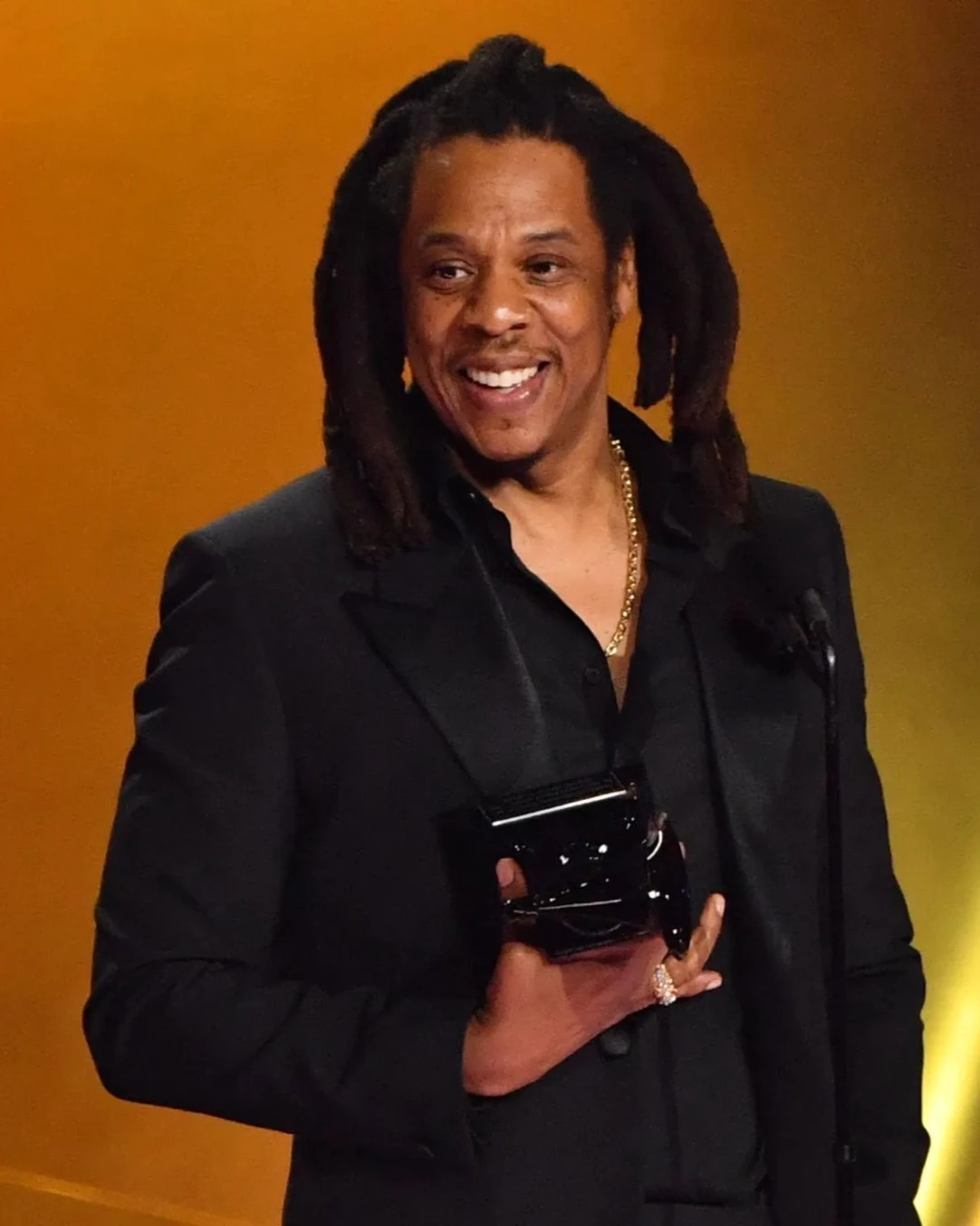
William Leonard Roberts II grew up in Carol City with nothing. Today he owns 30+ Wingstop locations, a cognac brand, a rum company, a record label, and he's eyeing part of the Miami Dolphins. The Biggest Boss didn't just make it out — he made it into an institution.
William Leonard Roberts II grew up in Carol City, Florida — a neighborhood that sits in what is now Miami Gardens, one of the most predominantly Black cities in the United States. The streets of Carol City didn't produce many moguls. They produced Rick Ross. And Rick Ross used those streets to build one of the most diversified, deliberately constructed business empires in hip-hop history.
His net worth sits at an estimated $150 million. His name is on albums, restaurants, spirits, and real estate portfolios. And if you've ordered lemon pepper wings anywhere in the South in the last decade, there's a reasonable chance some of those profits went to the Biggest Boss himself.
The Wingstop Blueprint: 30+ Locations and Counting
Rick Ross's relationship with Wingstop started over a decade ago with a simple realization: food franchises generate cash flow independent of music cycles. You don't need a hit record for a Wingstop to be profitable. You need good operations, a proven brand, and the capital to scale.
Ross built his franchise operation under Boss Wings Enterprises. He now owns more than 30 Wingstop locations — primarily across the South — and each location generates approximately $1 million in profit annually at peak performance. That's $7–10 million in annual franchise revenue that flows whether or not he releases an album, whether or not he's on a tour.
That is what passive income looks like at scale.
"I went from a rapper to a franchisee," he said in a 2026 interview with The Source. "But the mentality was always the same — control the operation, own the asset, collect the check."
The Wingstop bet paid off so completely that he gifted his 16-year-old son his own franchise location for his birthday. He wasn't just building a business. He was transferring the infrastructure of wealth to the next generation before his son was old enough to vote.
Belaire Rosé and the Spirits Game
Rick Ross partnered with Sovereign Brands on Luc Belaire Rosé, one of the fastest-growing sparkling wine brands in the United States. The strategy was identical to his franchise approach: align with a product his cultural audience already values, own equity in the company rather than just taking an endorsement fee, and leverage his platform to market it organically.
Belaire became the sparkling wine of celebration in hip-hop culture — not because of a paid advertising campaign, but because Rick Ross's authentic association made it feel real. Every bottle cracked at a video shoot or a club is a marketing moment that no media budget can buy.
The Port of Miami Rum followed the same playbook, capitalizing on his Miami identity and extending his spirits portfolio into a second category.
Maybach Music Group: The Label That Prints Artists
Founded in 2009, Maybach Music Group (MMG) has been the vehicle through which Ross has signed, developed, and profited from a roster of artists — including Meek Mill, Wale, and others — while building a brand that carries his aesthetic into every record it releases.
MMG is not just a record label. It is a content production machine, a brand extension, and a demonstration that the music business works differently when the artist owns the label rather than just recording for one.
The Miami Dolphins Dream
In a 2026 interview, Rick Ross publicly stated his intention to pursue part-ownership of the Miami Dolphins — the NFL franchise that plays in his backyard. Whether or not that deal materializes, the statement itself reveals the ambition level of a man who started with nothing in Carol City and has systematically acquired assets at every level of the wealth-building pyramid.
He went from wings to cognac to rum to real estate to NFL ownership conversations in one lifetime.
Blueprint Takeaway
1. Franchises are the ultimate passive income vehicle. Ross didn't invent Wingstop. He capitalized on a proven brand and scaled it. You don't need to build from scratch — you need to own a piece of something that already works.
2. Own equity, not endorsements. Every business deal Ross has made — Belaire, Port of Miami Rum, MMG — is structured around ownership rather than one-time fees. Ownership compounds. Checks don't.
3. Build across categories. Music, food, spirits, real estate, sports — Ross operates in every category the culture touches. Diversification is not just financial protection; it is cultural dominance.
4. Transfer the blueprint early. Gifting a franchise to his 16-year-old son is the most Hood Forbes move on this list. He's not just building wealth. He's building the infrastructure that builds wealth.
From Carol City to 30+ Wingstops. From rapping about money to actually having it. The Biggest Boss built the blueprint — and it starts with owning the operation.
Did you enjoy this article?
Written by
Jerome Carter
Staff writer at The Hood Forbes Magazine covering business, wealth, and culture.