
Hip-Hop Owns the Classics: How Jay-Z, Meek Mill, and Lil Baby Took Over Mitchell & Ness for $250 Million
Jerome Carter
July 5, 2026 · 9 min read
In one of the most significant ownership moves in sports culture history, hip-hop's heavyweights joined Michael Rubin's Fanatics to acquire heritage sportswear giant Mitchell & Ness. The culture didn't just buy the product — it bought the company.
For decades, hip-hop artists wore Mitchell & Ness throwback jerseys as a symbol of cultural pride — the iconic snapback caps, the Sixers and Bulls and Lakers retro gear that became the uniform of the culture. Now some of those same artists own the company.
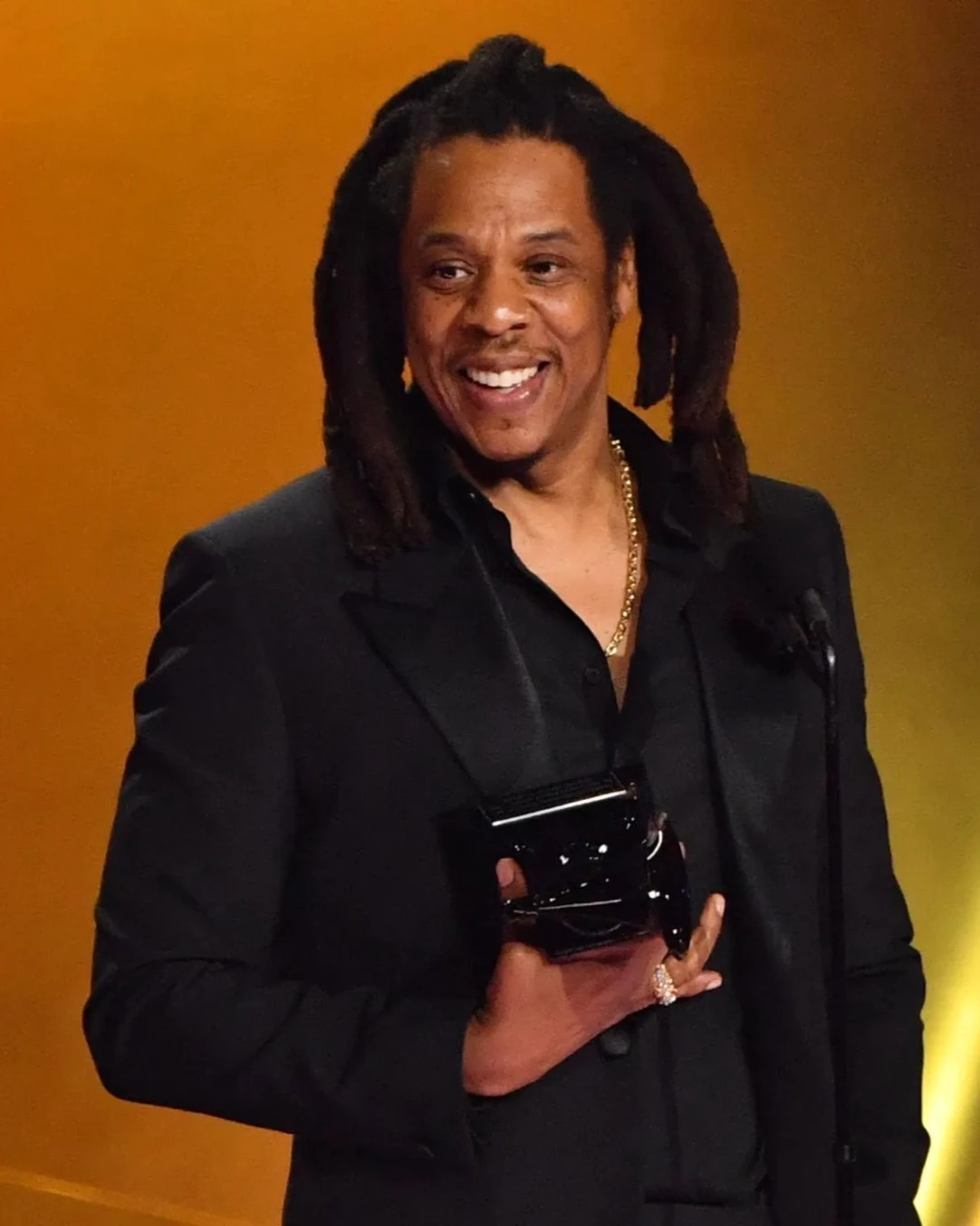
Jay-Z, Meek Mill, Lil Baby, and a coalition of hip-hop heavyweights joined Fanatics CEO Michael Rubin in acquiring Mitchell & Ness for $250 million in a deal that represents one of the most significant cultural ownership moments in the history of sports fashion.
This is not an endorsement deal. This is not a collaboration. This is equity. This is ownership. And it changes everything about the narrative of who controls the economic value of urban culture.
The Deal
Fanatics, the dominant force in licensed sports merchandise and Michael Rubin's empire, led the $250 million acquisition of Mitchell & Ness — the Philadelphia-based heritage sportswear brand that has been making authentic throwback apparel since 1904. But what made this deal extraordinary was who Rubin brought to the table.
Jay-Z's investment arm. Meek Mill. Lil Baby. A coalition of artists who grew up wearing the brand, who built their careers in rooms where Mitchell & Ness was shorthand for authenticity and cultural fluency.
When the deal closed, the culture owned a piece of its own aesthetic.
Why Mitchell & Ness Matters
Mitchell & Ness is not just a clothing company. It is a repository of American sports and cultural history. The throwback jersey market — authentic reproductions of historic uniforms — generates hundreds of millions of dollars annually, driven almost entirely by communities and consumers who have Black and urban culture at their core.
Hip-hop artists wore the gear. Hip-hop culture drove the demand. And for years, that demand created enormous value for a company that had no particular connection to the communities whose loyalty built it.
That equation has now changed.
Jay-Z's Pattern
This acquisition fits squarely within the investment pattern that has made Jay-Z the most studied business mind in hip-hop history. From D'Ussé cognac to Armand de Brignac to Tidal to Marcy Venture Partners, the playbook is consistent: identify a product or platform that your culture already values, acquire equity rather than just endorsing it, and position yourself as an owner in the room where the value is created.
Mitchell & Ness was not an alien acquisition for a hip-hop artist. It was the logical conclusion of a three-decade relationship between the culture and the brand — finally structured correctly.
Meek Mill and Lil Baby: The Next Generation of Ownership
What is particularly significant about this deal is the generational spread. Jay-Z has been doing this for twenty years. Meek Mill and Lil Baby are bringing the next generation of hip-hop into ownership positions at an earlier stage of their careers than their predecessors ever did.
Meek Mill, who has been vocal about the structural economic disadvantages facing artists — particularly through his criminal justice reform work with REFORM Alliance — has consistently used his platform to argue for systemic change. This deal represents the personal financial application of that philosophy: don't just critique the system. Own something inside it.
The Bigger Meaning
The Mitchell & Ness acquisition is a data point in a larger pattern. Hip-hop is no longer content to be the culture that drives consumption while others capture the economic value. The artists, the community, and the investors connected to that culture are systematically acquiring the brands, the platforms, and the infrastructure that their audiences already support.
This is what economic self-determination looks like in practice. And at $250 million, it is a statement that the culture is not playing small.
Did you enjoy this article?
Written by
Jerome Carter
Staff writer at The Hood Forbes Magazine covering business, wealth, and culture.