Queen Bey Joins the Billionaire Club: How Beyoncé Built a $1 Billion Empire From Houston to Wall Street
Andre Thompson
July 7, 2026 · 8 min read
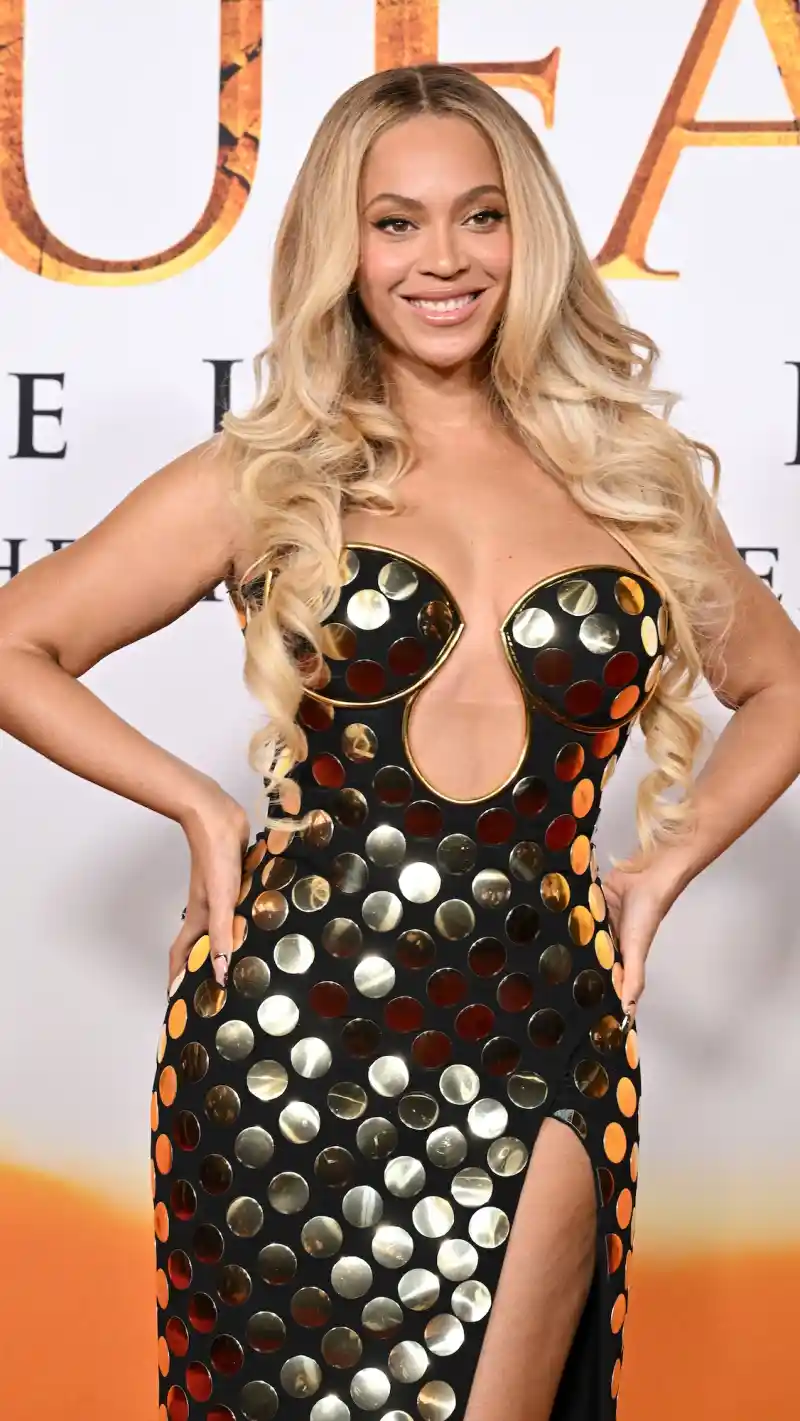
Forbes made it official: Beyoncé Knowles-Carter is a billionaire. Her path from Destiny's Child to a nine-figure empire is a masterclass in owning every lane you enter — and building the lanes that didn't exist yet.
In early 2026, Forbes placed Beyoncé Knowles-Carter on their World Billionaires List with an estimated net worth of $1 billion — making her the fifth musician in history to achieve that status, and one of only a handful of Black billionaires in the world. The announcement was historic. For Hood Forbes, it's a blueprint.
Because this wasn't luck. This wasn't one viral moment or one record-breaking album. This was a decades-long, methodically executed plan to own every room she entered — and then build new rooms on top.
From the Third Ward to Nine Figures
Beyoncé Giselle Knowles was born in Houston, Texas — the Third Ward, specifically. A neighborhood where talent is abundant and infrastructure is scarce. What separated her trajectory from the thousands of equally talented artists who never reached her altitude wasn't just voice or work ethic. It was control.
From the moment she had enough leverage to negotiate, she negotiated for ownership. Publishing rights. Creative direction. Equity stakes. The ability to say no to deals that didn't serve her long-term position.
That discipline compounded over 30 years into a billion dollars.
The Business Architecture
Beyoncé's wealth does not live in album sales or streaming royalties alone. Forbes credits her fortune to a layered architecture of businesses:
Parkwood Entertainment — the production company and management firm she owns outright — is the hub. It controls her recording contracts, tours, film projects, and brand partnerships, giving her the kind of creative and financial leverage that most artists never see.
Ivy Park, her athleisure brand launched in partnership with Adidas, extended her brand into fashion and brought her into the boardrooms of global sportswear. The brand generated hundreds of millions in revenue across multiple collection drops.
Renaissance World Tour — her most recent global tour — grossed over $580 million, making it one of the highest-grossing concert tours in history. That revenue didn't just pay her. It funded her own production infrastructure, creating an asset that she owns and controls.
Real estate investments across multiple properties and private equity positions round out a portfolio that now generates wealth independent of any single album cycle or corporate partnership.
The Cultural Economic Impact
When Beyoncé releases music, markets move. When she performs at Coachella, historically Black universities see a surge in applications. When she wears a designer, the brand's search traffic spikes. The economic multiplier effect of the Beyoncé brand is documented and extraordinary.
But what Hood Forbes wants to highlight is something even more significant: she is using that cultural leverage to build institutions that outlast any single project. Scholarships funded through her BeyGOOD foundation. Grants for Black designers and creatives. Investments in Black-owned businesses.
She is not just accumulating wealth. She is deploying it strategically — in the same communities that produced her.
The Blueprint for the Hood
The lesson Beyoncé's journey offers isn't about becoming a superstar. Most of us won't. The lesson is about structure: own the masters. Own the company. Negotiate equity, not just fees. Reinvest in assets that generate returns.
From Houston's Third Ward to the Forbes Billionaires List in one lifetime. No inheritance. No head start. Just talent, discipline, and an uncompromising insistence on ownership.
That is the blueprint. And it starts with your name, your skill, and your willingness to build something that outlasts the moment.
Did you enjoy this article?
Written by
Andre Thompson
Staff writer at The Hood Forbes Magazine covering business, wealth, and culture.