
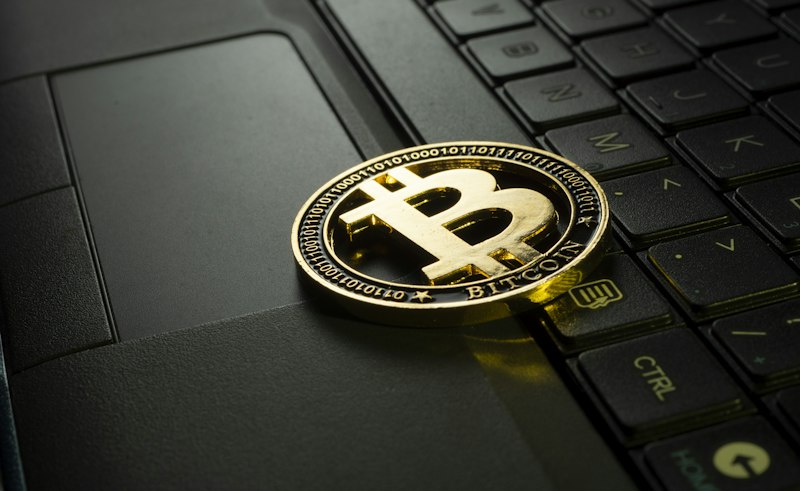
Web3 Promised to Democratize Wealth. Has It Delivered for Black Communities?

Tasha Monroe
July 2, 2026 · 8 min read
Three years after the crypto boom, we examine what blockchain technology has actually meant for urban wealth-building.
The promise was revolutionary: decentralized finance, free from the gatekeepers who had historically excluded Black communities from wealth-building opportunities. No banks. No credit scores. No redlining. Just code.
Three years after the crypto boom of 2023, the reality is more complicated — and more interesting — than either the utopian vision or the skeptical dismissals suggested.
What Worked
Certain communities have genuinely used DeFi tools to access capital, build credit, and participate in investment opportunities previously closed to them. Community-owned crypto funds in cities like Atlanta, Houston, and Oakland have created new pathways to investment.
NFT projects built around Black art and culture generated over $400 million in 2024, with significant portions flowing back to artists and communities who had long been shut out of the traditional art market.
What Didn't
The volatility of crypto markets devastated some families who invested money they couldn't afford to lose. And the "democratization" of finance has, in many ways, reproduced old hierarchies in new technological clothing.
"Technology is a tool, not a savior," says blockchain researcher Dr. Marcus Reid. "Its impact depends entirely on the policies, communities, and intentions that shape its use."
The lesson from the first wave of crypto may be this: stay in the conversation, but enter with eyes open.
Did you enjoy this article?
Written by
Tasha Monroe
Staff writer at The Hood Forbes Magazine covering business, wealth, and culture.